

OUR QUALITY PRODUCTS


CARDIOVASCULAR


NEOBLOC (METOPROLOL Tartrate) Indication: Management of hypertension, angina pectoris, cardiac arrythmias, myocardial infarction and heart failure, hyperthyroidism. Prophylactic treatment of migraine.

BETACARD (Carvedilol) Indication: Management of hypertension and angina pectoris. Adjust to standard therapy in symptomatic heart failure.

NEOCLOPID (Clopidogrel Bisulfate) Indication: Reduction of atherosclerotic events (MI, stroke, or vascular death) in patients with atherosclerosis documented by recent stroke, myocardial infarction or established peripheral arterial disease.


NEOSARTAN (Losartan Potassium) Indication: Management of hypertension (in patients who developed cough with ACE Inhibitors) & diabetic nephropathy.


SAATIN (Atorvastatin Calcium) Indications: treatment of several types of dyslipidemias, including primary hyperlipidemia and mixed dyslipidemia in adults, hypertriglyceridemia, primary dysbetalipoproteinemia, homozygous familial hypercholesterolemia, and heterozygous familial hypercholesterolemia in adolescent patients with failed dietary modifications.

TRYME MR (Trimetazidine HCI) Indication: Long term treatment of coronary insufficiency episodes; angina pectoris; ischemia of neurosensorial tissue as in Meniere’s Disease.

AMLOTITAN (Amlodipine/Losartan Potassium) Indication: Mild to moderate hypertension in case inadequate control with monotherapy.

TELSTAR (Telmisartan) Indications: Management of hypertension.

ROVASTIN (Rosuvastatin) Indication: : Indicated as an adjunct to diet in the treatment of triglyceridemia, Primary Dysbetalipoproteinemia (Type III Hyperlipoproteinemia), and Homozygous Familial Hypercholesterolemia.

LODI (Amlodipine) Indication: Management of hypertension and prophylaxis of angina pectoris.
CARDIOMETABOLIC-ENDO

ANOION (Amiodarone HCI) Indication: Control of ventricular and supraventricular arrythmias, including arrythmias associated with Wolf-Parkinson-White syndrome. Prevention of arrythmias in patients with myocardial infarction or heart failure.

ARYA (Glimepiride) Indications: Glimepiride is used for the management of type 2 diabetes mellitus.

NEOFORM (Metformin) Indications: Metformin hydrochloride is a biguanide hypoglycemic agent used in the treatment of Non-Insulin-Dependent Diabetes Mellitus.

REDUCEL (Gemfibrozil) Indications: Gemfibrozil is used to reduce total cholesterol and triglycerides in the management of hyperlipidaemias, including type lla, type llb, type III, type IV and type V hyperlipoproteinaemias. It is also indicated for the primary prevention of ischemic heart disease in hyperlipidemic middle-aged men who have not responded to dietary and other measures.

ZEMIGLO (Gemigliptin) & ZEMIMET SR (Gemigliptin/Metformin HCI) Indication: Adjunct to diet & exercise in adults w/ type 2 DM as monotherapy or in combination w/ metformin as initial therapy in treatment-naive patients w/ inadequate glycemic control by diet & exercise alone.

ZEMIDAPA (Gemigliptin+Dapagliflozin) Indications: Indicated as an adjunct to diet and exercise to improve glycemic control in adults with type 2 diabetes mellitus.
ANTIBIOTIC

CEFISAL-200 (Cefixime Trihydrate) Indication: Cefixime (Cefisal) is a third-generation cephalosporin indicated for the treatment of infections caused by susceptible strains of the designated microorganisms: Upper Respiratory Tract Infections •Bacterial pharyngitis •Tonsillitis •Otitis media •Sinusitis Lower Respiratory Tract Infections •Acute bronchitis Urinary Tract Infections •Acute uncomplicated cystitis •Urethritis Uncomplicated Gonorrhea

GLOBAXOL (Cotrimoxazole) Indications: Co trimoxazole (GLOBAXOL) is a combination of sulfamethoxazole and trimethoprim indicated for the treatment of infections caused by susceptible strains of bacteria. Specific indications include: •Acute infective exacerbation of chronic bronchitis •Otitis media (pediatric patients only) •Travelers’ diarrhea – for treatment and prophylaxis •Urinary tract infections •Shigellosis •Pneumocystis jirovecii pneumonia (PJP/PCP) – for treatment and prophylaxis •Toxoplasmosis – for treatment and prophylaxis

KEFSYN (Cefuroxime Axetil) Indications: Cefuroxime (Kefsyn) is a second-generation cephalosporin indicated for the treatment of infections caused by susceptible bacteria, including beta-lactamase–producing strains. Kefsyn 500mg Tablet is indicated for: •Acute bacterial sinusitis •Pharyngitis and tonsillitis •Acute otitis media •Acute exacerbations of chronic bronchitis •Community-acquired pneumonia •Skin and soft tissue infections •Uncomplicated urinary tract infections, including cystitis •Uncomplicated gonorrhea Kefsyn 750mg IM/IV is indicated for: •Acute exacerbations of chronic bronchitis •Community-acquired pneumonia •Intra-abdominal infections •Skin and soft tissue infections •Complicated urinary tract infections, including pyelonephritis •Bone and joint infections •Uncomplicated gonorrhea •Bacterial meningitis •Surgical prophylaxis to prevent postoperative Infections

PNEUMOZITH (Azithromycin) Indication: Azithromycin (PNEUMOZITH) is a nitrogen-containing macrolide (azalide) antibiotic with a broad spectrum of activity against susceptible bacteria. PNEUMOZITH is indicated for the treatment of infections caused by susceptible strains of the designated microorganisms, including: •Respiratory tract infections: Otitis media, pharyngitis/tonsillitis, sinusitis, community-acquired pneumonia. •Skin and soft tissue infections. •Uncomplicated genital infections: Urethritis and cervicitis. •Prophylaxis and treatment of Mycobacterium avium complex (MAC) infections as part of combination therapy. •Endocarditis prophylaxis in patients at risk who are unable to receive penicillin (where approved). •Management of trachoma and typhoid fever (where approved).

PAXICLAV (Co-Amoxiclav) Indication: Amoxicillin and Clavulanate Potassium (PAXICLAV) is indicated for the treatment of infections caused by susceptible strains of designated microorganisms, including: •Upper Respiratory Tract Infections: Acute bacterial sinusitis, acute otitis media, and pharyngitis/tonsillitis. •Lower Respiratory Tract Infections: Acute exacerbations of chronic bronchitis, community-acquired pneumonia. •Skin and Soft Tissue Infections: Cellulitis, wound infections, and other soft tissue infections. •Bone and Joint Infections: Osteomyelitis and septic arthritis. •Urinary Tract Infections: Cystitis and pyelonephritis. •Dental Infections: Dental abscesses with spreading cellulitis.
PAIN MANAGEMENT /
HEPATIC PROTECTORS

STANGESIC (Mefenamic Acid) Indication: Mefenamic acid (Stangesic) provides targeted relief for a variety of conditions, helping you get back to your day with comfort and ease: •Joint & Muscle Comfort: Helps ease pain and inflammation from rheumatoid arthritis (including Still’s Disease), osteoarthritis, and general muscular, traumatic, or dental pain. •Headache & Post-Procedure Relief: Provides support for headaches of various causes, as well as post-operative and postpartum discomfort. •Menstrual Health: Alleviates primary dysmenorrhea, premenstrual syndrome (PMS), and menstrual bleeding due to dysfunctional causes or IUDs (after ruling out other pelvic conditions). •Fever Relief in Children: Safe for use in pediatric patients over 6 months to help reduce fever.

DIFENAX (Diclofenac Sodium) Indications: Diclofenac sodium (Difenax) is used in the treatment of inflammatory and degenerative forms of rheumatism: •Rheumatoid arthritis (RA) •Ankylosing spondylitis (AS) •Osteoarthritis (OA) •Spondylarthritis •Painful syndromes of the vertebral column •Non-articular rheumatism. Treatment of post-traumatic and post-operative pain, inflammation, and swelling following dental or orthopaedic surgery. Treatment of painful and/or inflammatory gynaecological conditions like primary dysmenorrhoea or adnexitis.

RILAXIA (Etoricoxib) Indications: Etoricoxib (Rilaxia) provides effective relief for both acute and chronic pain and inflammation associated with osteoarthritis (OA), rheumatoid arthritis (RA), ankylosing spondylitis (AS), chronic low back pain, acute gouty arthritis, primary dysmenorrhea, and other acute pain conditions, including moderate to severe post-operative pain following dental and abdominal gynecological surgery. When prescribing a selective COX-2 inhibitor, treatment decisions should be guided by an individual patient risk assessment.

DESTONE (Ursodeoxycholic acid) Indication: Ursodeoxycholic acid (Destone) is indicated for the non-surgical dissolution of cholesterol-rich gallstones in patients with a functioning gallbladder. Also supports the management of chronic cholestatic liver diseases, including primary biliary cirrhosis and primary sclerosing cholangitis, helping promote improved bile flow and liver health.

URICAID (Febuxostat) Indications: Febuxostat (Uricaid) is indicated for the long-term control of elevated uric acid levels in adult patients with gout, particularly in those with established urate crystal deposition—such as a history or presence of tophi and/or gouty arthritis—helping support sustained disease management and prevention of further complications.

PROTEK-GFR (Ketoanalogues + Essential Amino) Indications: Prevention and therapy of damages due to faulty or deficient protein metabolism in chronic renal insufficiency in connection with limited protein in good of 40 g/day.
PULMO-ALLERGO
LEUKAST Plus (Montelukast + Levocetirizine HCL) Indications: Montelukast Sodium and Levocetirizine Hydrochloride Tablets (Lukast Plus) are indicated for: •Relief of symptoms associated with allergic rhinitis (seasonal or perennial). •Prophylaxis of seasonal allergic rhinitis. •Treatment of patients 15 years and older with comorbid asthma and allergic rhinitis.

NOPHLEGM (Acetylcysteine) Indication: N-acetyl-L-cysteine or NAC (Nophlegm) is indicated as a mucolytic agent for the treatment of respiratory conditions associated with thick, viscous mucus. These include: •Acute bronchitis •Chronic bronchitis and its exacerbations •Pulmonary emphysema •Cystic fibrosis (mucoviscidosis) •Bronchiectasis


VENTAR (Salbutamol) Indications: Salbutamol (Ventar) is a selective β₂-adrenergic agonist indicated for the relief and prevention of bronchospasm in patients with asthma, chronic bronchitis, emphysema, and other reversible obstructive airway diseases.
GASTRO / PROBIOTIC

ACEIFRE (Omeprazole) Indication: Acifre 40 mg Capsule Omeprazole (Acifre) provides effective and reliable acid suppression for both short-term relief and long-term maintenance of acid-related disorders, helping promote healing and prevent recurrence. It is indicated for the management of: •Duodenal and gastric ulcers •Gastroesophageal Reflux Disease (GERD) and associated symptoms •Erosive esophagitis •Acid-related dyspepsia •NSAID-associated gastric and duodenal ulcers or erosions •Pathological hypersecretory conditions, including Zollinger–Ellison Syndrome, multiple endocrine adenomas, and systemic mastocytosis •As part of Helicobacter pylori eradication regimens in peptic ulcer disease Acifre is also indicated for the prophylaxis of acid aspiration during general anesthesia, providing added protection in perioperative settings. Acifre Powder for Injection Designed for situations where oral therapy is not feasible, Acifre® injectable formulation delivers rapid and dependable acid control for short-term management of: •Duodenal and gastric ulcers •Ulcerative esophagitis and Zollinger–Ellison Syndrome •Gastroesophageal Reflux Disease (GERD) •NSAID-induced gastrointestinal complications, including perioperative use It is likewise indicated for the prophylaxis of acid reflux, ensuring optimal gastric acid suppression in critical care and surgical environments.
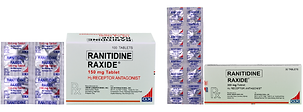
RAXIDE (Ranitidine) Indications: Ranitidine (Raxide) Indicated for the treatment of duodenal and gastric ulcers, including H. pylori-associated and NSAID-induced ulcers, post-operative ulcers, and acute reflux esophagitis. Effective in managing Zollinger-Ellison syndrome, chronic episodic dyspepsia, and providing symptomatic relief in gastroesophageal reflux disease (GERD). Also suitable for the prophylaxis of Mendelson’s syndrome.

TUMMYFLORA (Bacillus Clausii) Indications: Bacillus clausii (Tummyflora) is a probiotic, spore-forming bacterium that is a normal constituent of the intestinal flora and has no known pathogenic properties. Its spores are highly resistant to stomach acidity and reach the intestinal tract intact, where they germinate into metabolically active vegetative cells. Bacillus clausii helps restore the balance of intestinal microflora that may be disrupted by antibiotics or other factors. In addition, it can produce B-group vitamins, which may help support normal vitamin levels during or following antibiotic or chemotherapy therapy.

In Affiliation with


